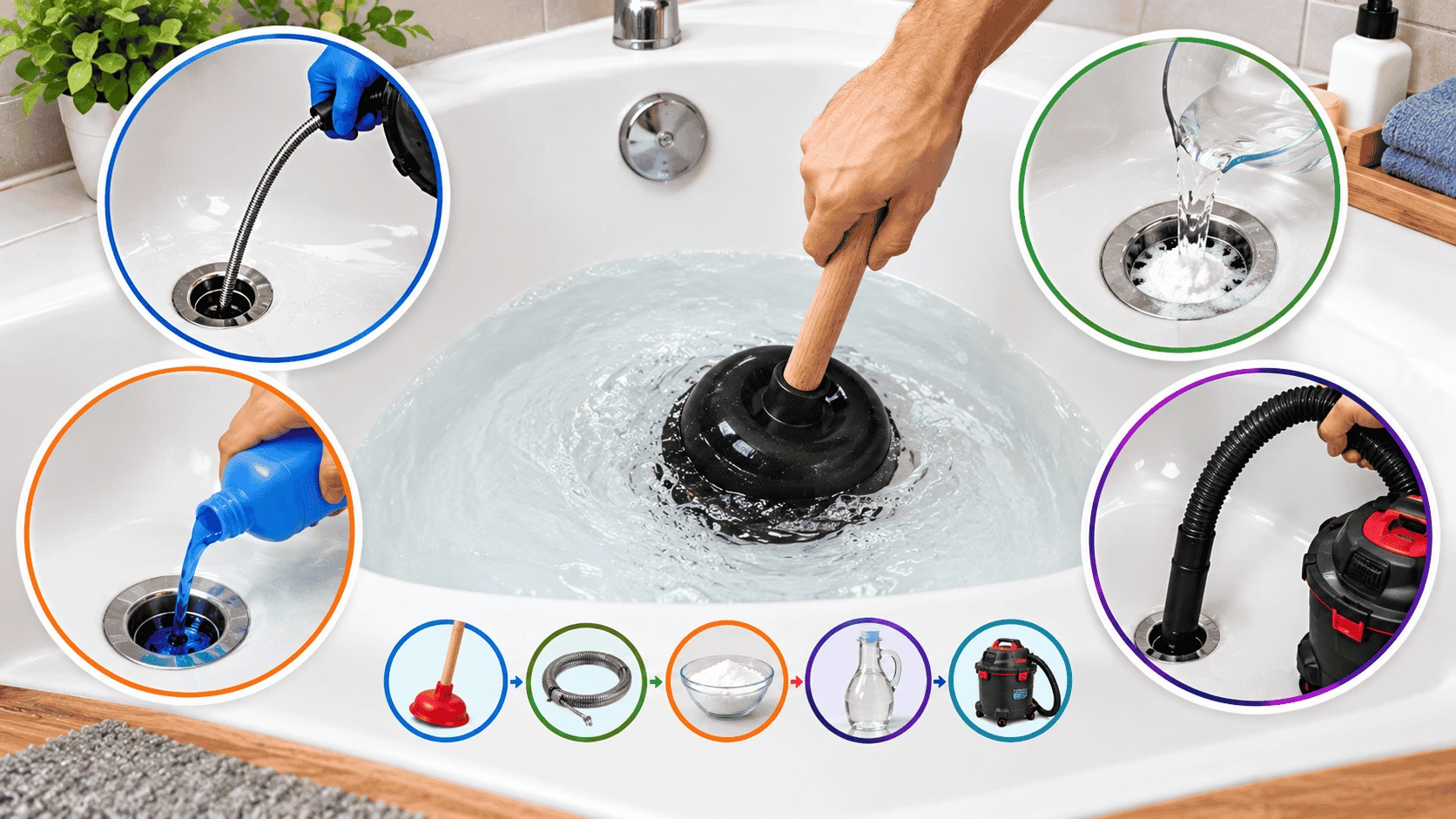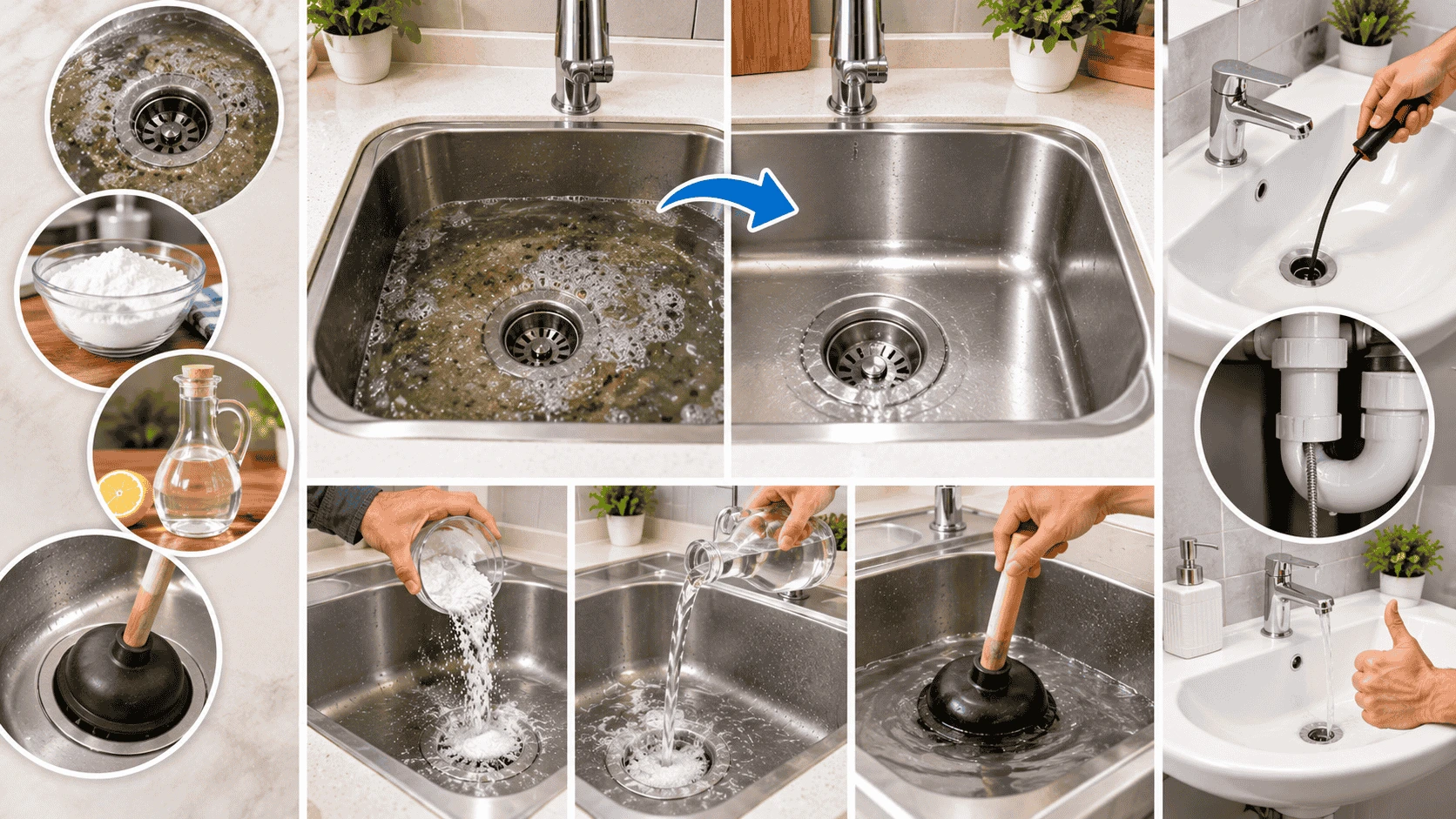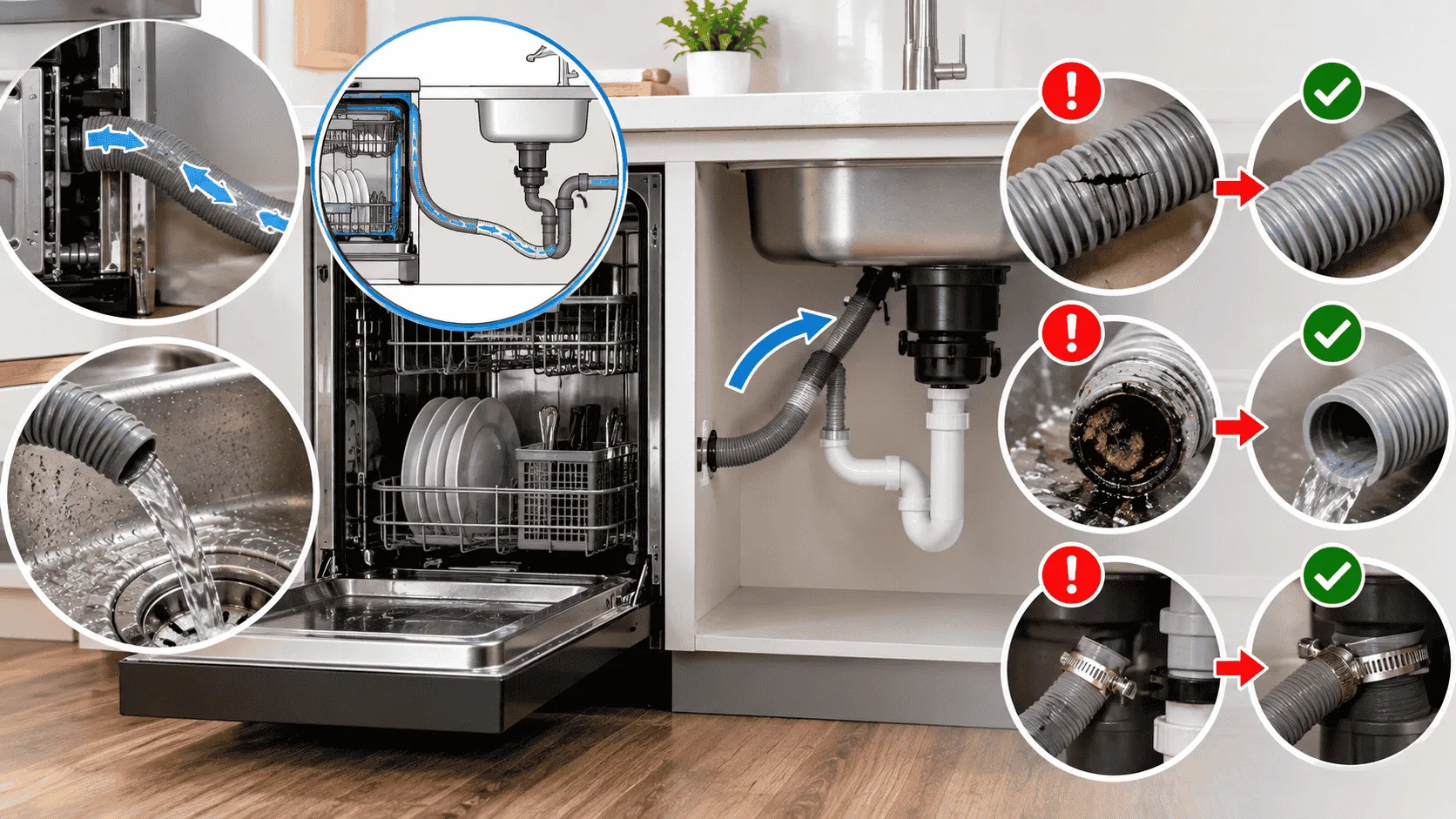



An obstruction in the primary sewer line obstructs the sole pipe that carries all wastewater generated in your entire home to the municipal sewer system. All the drains lead to this pipe; hence, all the drains become blocked simultaneously.
Removal costs between $200 and $1,400, depending on the technique employed. On average, this takes one to four hours to complete.
If sewage is backing up through any drain currently, pause reading and first consider the emergency procedures given below.
Sewage Backing Up Right Now? Take These 6 Emergency Steps
Here are some immediate actions to protect your property from any damage as a result of blockage in the main sewer line:
- Suspend all water sources: Do not use your toilets, take showers or baths, use the dishwasher, laundry or any running taps. This is because any more water that flows into the system will increase the water volume in the blocked system.
- Turn off the main water valve: In case of sewer backup through floor drain locations being experienced, shut off the main water line coming into your home. This prevents automatic appliances like your ice machine, water softeners, or even the toilet from feeding any more to the overflow.
- Isolate the area: Prevent access to the sewage by family members and pets. Wastewater contains harmful bacteria and contaminants. Seal off the entrance to the affected room or basement area.
- Do not lift the cap of the cleanout inside the house: Main line blockage is under high pressure, and once opened, the wastewater will come flowing out immediately. Only open an outside cap as a last resort and only if necessary, but make sure to stand back.
- Avoid chemical drain cleaners: Chemical drain cleaners will not be able to reach any major clog 40 to 80 feet down in the drain. These chemicals will only settle in the standing wastewater, thus making a backed-up sewer line very dangerous for the plumber trying to fix the problem.
- Contact Plumber Hero now: Make sure to inform us that it is a main line backup. Mentioning that you require help with clearing a main sewer line backup issue will ensure that we give you a priority booking instead of just booking you for a drain cleaning task.
Facing a sewage backup emergency or a main sewer line clog situation in Norcross? Call the Plumb Hero emergency team now.
What Is a Main Sewer Line Clog?
Your home has two different levels of piping in its plumbing:
Branch Drain Pipes: This type of pipe carries wastewater from individual fixtures like a single sink, shower, and toilet.
Main Sewer Pipe (Lateral): All the branches directly empty into one large pipe underneath your house, which goes to either the city main or septic tank.
When there is a blockage in a branch line, just that single fixture ceases working. In case of a blockage in a main sewer pipe, there is no exit for wastewater.
The water moves backwards through the pipes and comes out from the nearest openings, which are usually basement floor drains, a shower stall on the ground floor, or even toilets on the first level.
It is due to this layout that a problem in a main line manifests itself at distant places. If you flush a toilet upstairs, then you can have dirty water rising in a bathtub downstairs.
Main Sewer Line Clog vs Secondary Drain Clog
This is what ultimately separates the two, and the answer dictates the proper repair procedure as well as the overall costs: How many fixtures does this affect all at once?
- Secondary Drain Clog: Affects one single fixture. You find yourself facing a problem with one sink draining slowly, or your shower doesn’t drain anymore and starts to hold water, and one toilet needs to be plunged, but everything else in the house drains properly. The cause is usually hair, soap residue, food, or grease near that particular fixture drain and can usually be fixed with just a regular plunger or hand snake.
- Main Sewer Line Clog: Affects several fixtures around the house at once. You will be having problems with slow drainage all throughout the house, or you hear a gurgle coming from unused drains, or even have sewage backing up into the house through floor drain openings. This problem is caused by tree root intrusion, too much grease, non-flushable wipes, or a complete breakage of the underground pipe.
Diagnostic Self-Tests
- Multi-Level Run Test: Open the faucet of a sink on the second floor and observe the lowest point of drainage in your building (for example, a shower in the basement). Drain flow or gurgling noise in the lowest drain while other parts of the building are running means that the problem is in the main pipe.
- Toilet Flush Test: While flushing the toilet on the first floor, observe the drainage of a shower or bath nearby. Gurgling noises and back-flowing waste water mean a clog in the main sewage pipe.
A Word on Branch Line Problems: Two fixtures that act up simultaneously are not a definite sign that your main line needs to be fixed. Both the kitchen sink and the dishwasher are connected to one branch line, and so are the two sinks in a main bathroom.
The symptoms should appear in two different parts of your home to diagnose a main sewer line problem.
Worried about your main sewer line or struggling with a backup problem? Plumb Hero provides expert main sewer line clog Norcross service.
Warning Signs You Have a Main Sewer Line Clog
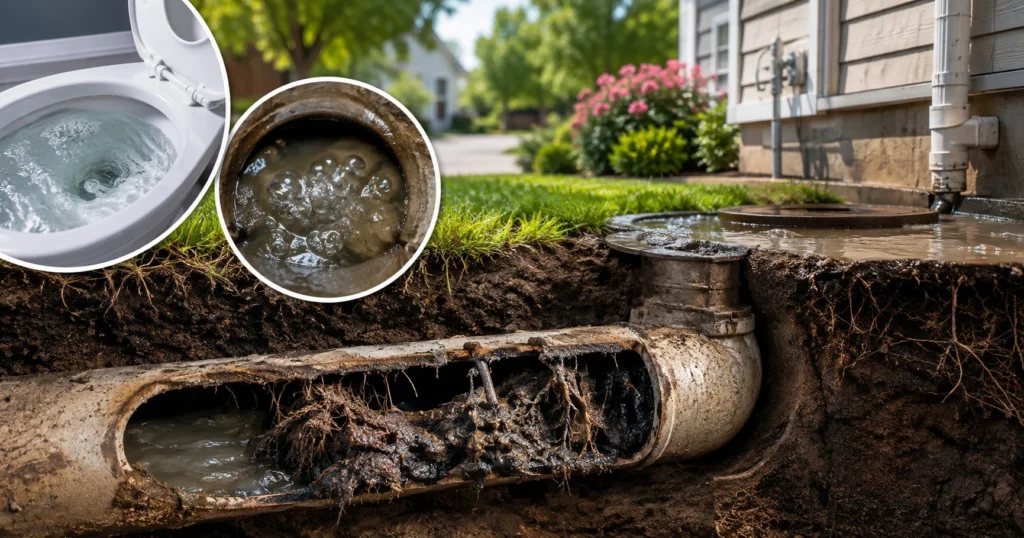
Blockages on main lines develop gradually over several months. The symptoms come in stages, and it will be much cheaper to fix those that come early than those that come later.
Early Signs
- Sound of gurgling coming from the toilet or floor drain when a washing machine is being drained
- Toilets that require flushing for the second time
- Water draining slower from the lower bathroom compared to upper bathrooms
- Drain blockage resurfacing weeks after clearing
- The level of water in the toilet going up abnormally before coming down
Building Signs
- Slow drainage from many drains simultaneously
- Foul smell of sewage near the floor drain, basement, or crawlspace
- Water building up in the bathtub or shower when you flush the toilet
- Water overflowing from the washing machine standpipe
- Foul smell of sewage outside near the house foundation or where the sewer line passes through
Signs That Point to a Leak from Underground Pipes
- One area of grass growing green more quickly than the rest
- Moisture or pooling of water without any recent rainfall
- Dents, soft soil, or a depression above the pipeline
- Presence of animals such as rodents or insects around drains
Emergency Signs
- Backflow of sewage through floor drain or basement piping
- Overflow of sewage from toilet or bathtub
- All the fixtures being blocked.
What Causes a Main Sewer Line Clog?
Knowing the common signs of a clogged sewer line starts with understanding what actually obstructs the pipe underground:
- Intruding Tree Roots: A major cause for older homes constructed prior to 1980. Tree roots follow moisture trails into a cracked joint or hairline crack where they grow thick until they clog the pipe. Clay pipe construction that requires joints every few feet provides multiple avenues for them.
- Cooking Oil: Cooking oil pours out of your home in a liquid form and hardens within the plumbing system as it gets colder. Several layers of fat build up to narrow the passage and collect all the things flowing inside the pipes.
- Wipes and Non-flushable Products: “Flushable” wipes cannot be decomposed. Paper towels, feminine hygiene products, floss, and other cotton-based items flow through without being decomposed.
- Debris and Foreign Objects: Remodelling debris left behind after a renovation, sand and sediment that make it inside the piping due to damage, toys and other garden materials through the open cleanout.
- Flaking in Cast Iron Pipes: Flaking of the pipes due to corrosion increases roughness and reduces the usable internal diameter.
- Bellies and Sags: A settled section beneath the grade creates pooling. A sewer line uses gravity to transport waste, so a belly ruins the slope and causes solids to settle there.
- Offset Joints: Movements in the soil create misalignment between pipe sections. The lip is left exposed and catches debris from each flush.
- Crushed Pipe Section: Age, soil pressure, or construction equipment above crushes the section shut. No amount of cable work will resolve this issue.
- Lack of Slope or Small Pipe: An installation mistake, which occurs frequently in amateur installations and older installations. The line has never flowed properly and never will until fixed.
- Blockage in City Main: A less frequent cause, but worth checking out before spending money. If a camera detects the blockage beyond your property line, then it’s someone else’s problem.
How Plumbers Diagnose a Main Sewer Line Clog
A plumber diagnoses the clogging problem in the main sewer line by locating the access point for the cleanout and inserting a waterproof camera into the pipe.
Identifying the Cleanout
The cleanout is a capped pipe directly connected to the main line, either a white PVC or metal plug, found in the basement, crawl space, garage, or at the outside of the home near the foundation. This is the entry point for all tools to be used on the main line. Those homes that do not have the cleanout require the removal of a toilet to gain access, which takes additional time and expense. Installation of the cleanout costs more initially, but saves money in the long run.
Camera Inspection
The camera inspection, which is a waterproof camera attached to a push cable, will travel through the line and display the blockage on the monitor screen, with the footage counter displaying the distance. The transmitter in the camera will allow the locator wand to pinpoint the exact location and depth of the blockage. At this point, it becomes clear if you have a simple grease blockage or a collapsed line behind the blockage.
There is a good reason to perform a camera inspection prior to hydro jetting: using high-pressure water inside a badly deteriorated cast iron or cracked clay pipe can cause severe structural damage.
Who Is Responsible for Sewer Line Repairs: You or the City?
Whose job it is to fix the sewer lines boils down to whose property the pipes run through:
- Property Owner Responsibility: The homeowner is typically responsible for the lateral line, which starts where the line connects to the building and ends at the municipal line.
- City Responsibility: The municipality owns the main sewer line beneath public streets. Some cities take responsibility starting at the property line or curb.
A sewer camera inspection reveals the exact footage of the blockage. A blockage 15 feet from the house is your responsibility; a blockage past the municipal tap is a call to the city water authority. If your entire neighbourhood experiences slow drains at the same time, call the city first.
How to Clear a Main Sewer Line Clog
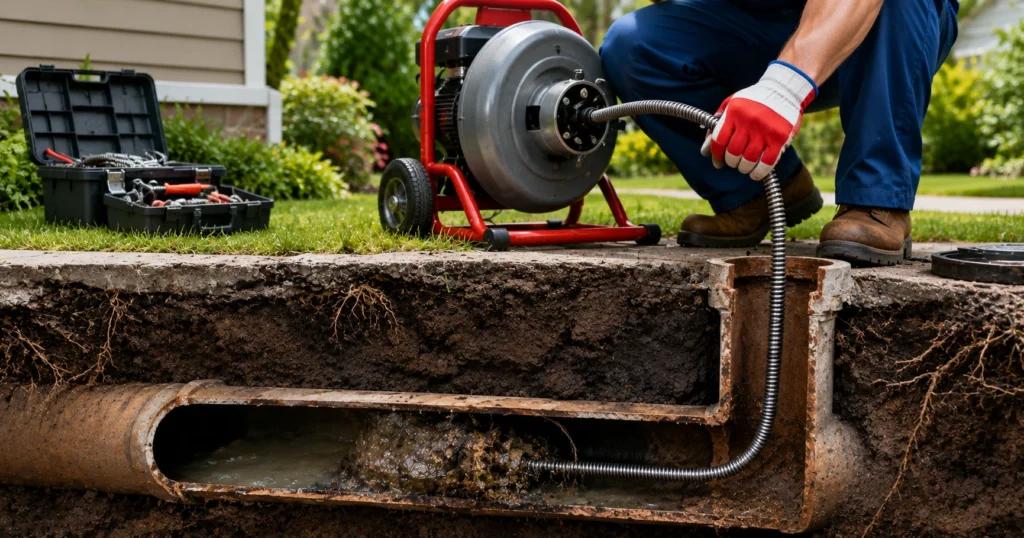
Knowing how to clear a main sewer line clog requires matching the clearing method to the severity and cause of the obstruction.
Cabling (Snaking or Rodding)
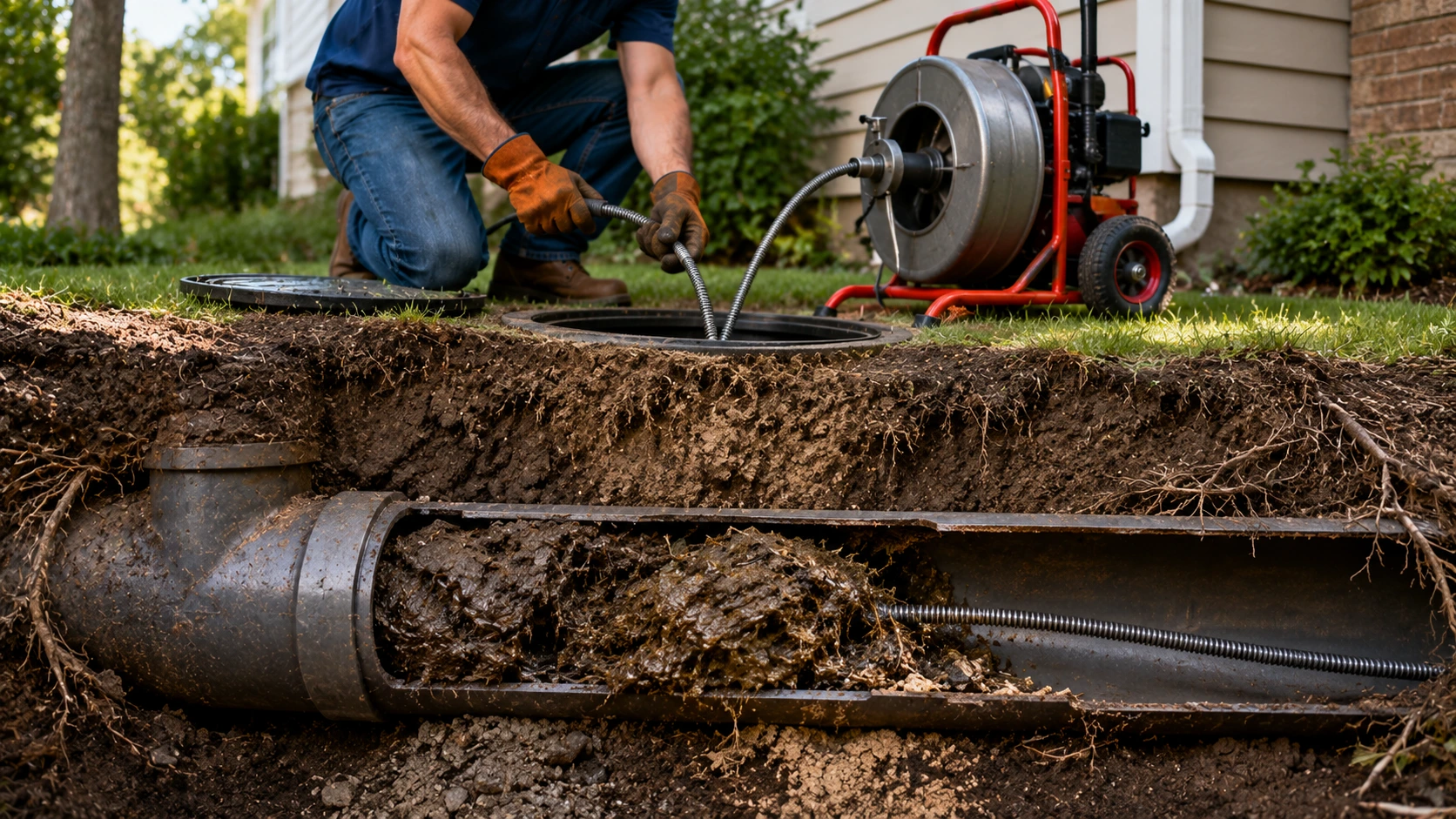
A motorised drum feeds a steel cable through the cleanout to the blockage while a cutting head breaks through and pulls material back. It is best for soft blockages like grease, paper, and waste, offering the fastest and least expensive initial option. However, cabling punches a hole through the obstruction rather than scouring the pipe wall completely clean.
Hydro Jetting
A high-pressure hose with a rear-facing nozzle cuts through debris while flushing material back toward the cleanout at 1,500 to 4,000 PSI. Comparing snaking vs hydro jetting, jetting strips the pipe walls completely clean of grease, scale, sludge, and fine roots, restoring the pipe’s full inner diameter. It requires structurally sound pipes.
Root Cutting & Chemical Treatments
A mechanical cutting head shears roots at the pipe wall. Because roots regrow, applying a foaming root inhibitor through the cleanout after cutting slows regrowth at entry points.
Enzyme & Bacterial Maintenance
Biological treatments digest organic buildup like grease and soap residue over time. They suit ongoing maintenance rather than active emergency blockages.
When Clearing Is Not Enough
Collapsed pipe sections, severe bellies, and wide offset joints require structural repair or replacement rather than drain clearing. Trenchless pipe lining (CIPP) or pipe bursting handles most of these structural repairs through small access points without digging massive trenches across your lawn.
What You Handle Yourself vs What to Leave to Pros
Reasonable DIY Steps:
- Turn off the water source immediately and close the main water valve.
- Find the clean-out pipe and get access to the area.
- Remove stored objects away from the floor drain and other rooms.
- Document the damage for insurance purposes through pictures.
- Ventilate the area and keep your family away.
What to Avoid:
- Renting Consumer Drum Snakes: Consumer rental snakes run 25 to 50 feet with lightweight cables, while main lines run 50 to 100+ feet. An undersized cable can jam, snap, or wrap around root masses, leaving a stuck cable inside a clogged pipe.
- Chemical Drain Cleaners: The chemicals do not go deep enough into the main line to deal with the clogs, corrode old plumbing, and cause the caustic wastewater to remain standing in the pipe.
- Pressure Washing Cleanout Opening: Home pressure washers do not have enough flow or spray tips to work effectively; they push the clogs deeper.
- Opening Cleanout Doors with Wastewater Pressure Inside: Main lines contain standing wastewater pressure; opening the cleanout indoors allows raw sewage to enter the room.
Warning: Always wear water-resistant gloves and eye protection when dealing with wastewater, wash thoroughly after exposure, and keep children and animals away from the area.
Cost to Clear a Main Sewer Line
The national average for main line clearing sits near $380, though actual costs depend on the method used:
| Service | Estimated Cost Range |
| Cabling (Snaking) via Existing Cleanout | $200 – $500 |
| Cabling with Toilet Pull for Access | $350 – $750 |
| Hydro Jetting (Residential) | $600 – $1,400 |
| Root Cutting Attachment Add-on | $200 – $600 |
| Foaming Root Treatment | $150 – $400 |
| Sewer Camera Inspection | $150 – $450 |
| New Cleanout Installation | $600 – $2,500 |
| Spot Section Pipe Repair | $1,000 – $4,000 |
| Trenchless Pipe Lining / Bursting | $60 – $250 per linear foot |
| Full Excavation & Pipe Replacement | $3,000 – $15,000+ |
| Backwater Valve Installation | $1,500 – $5,000 |
Factors That Increase Total Cost:
- Fees for emergency dispatch calls outside office hours, on weekends, or during holidays.
- The lack of a clean-out point, which requires removing the toilet.
- Deep underground piping that is hard to access.
- Sewage cleanup and sanitisation professional services.
How Long Does Clearing Take?
- Cabling Soft Blockages: 30 minutes to 2 hours
- Cabling with Toilet Removal: 2 to 3 hours
- Hydrojetting Cleaning: 2 to 4 hours
- Heavy Root Removal: 3 to 5 hours
- Video Camera Inspection: 30 to 60 minutes
Real Case Study: Why Does a Sewer Main Keep Clogging Every Few Months?
A Homeowner Asks: “My wife and I just bought a house. Two months in, our sewer main backed up with sludge. We paid $400 to hydro-jet it, but four months later, toilet paper is backing up into our laundry drain again! The pipe is indoor PVC that connects to outdoor Cast Iron. With only two people here, why does this keep happening?”
The Real Problem
When a two-person household gets recurring sewer backups, household habits are not the cause. A repeat clog every few months points to a physical pipe defect underground:
- Corroded Cast Iron: Older cast iron pipes rust and form rough, jagged edges inside. Toilet paper catches on these rough walls and forms a new block within months.
- A Pipe “Belly” (Sag): Ground movement where the PVC connects to Cast Iron creates a low dip. Standing water pools in the dip, causing solids and sludge to collect instead of washing away.
- Shifted Pipe Joint: Soil movement can shift the connection between the PVC and Cast Iron, creating an interior lip that catches waste every time you flush.
How to Stop Paying Every 4 Months?
- Demand a Recorded Camera Pass: Always get a video camera inspection after the line is cleared to see the bare pipe walls and find the exact defect.
- Fix the Pipe Defect:
- Smooth out rusty walls with mechanical descaling.
- Repair a pipe sag or shifted joint with a localised spot repair or trenchless pipe liner.
- Avoid Using Chemical Cleaners: The chemicals settle in lower levels and corrode metals rather than cleaning out the mainline clogs.
Installing a Backwater Valve to Prevent Flooding
The backwater valve is a mechanical valve that is placed in your main line, which allows your wastewater to flow out but prevents municipal sewage from flowing back in times of heavy rains and city main surcharges. The installation of a backwater valve is strongly suggested if your house is located below street level or has basement floor drains.
Does Homeowners Insurance Cover Sewer Backups?
Most standard home insurance policies don’t cover sewer backups and consider clogs regular maintenance.
- Water Backup Coverage: A special endorsement to your policy that protects you against any interior water damage caused by sewer backups or sump pump failure ($5,000 to $25,000 limit).
- Optional Service Line Coverage: To help you cover repairs or replacement of the underground pipe lateral that is yours.
- NFIP Flood Insurance: It only covers flood waters from above and doesn’t have sewer line backup coverage.
How to Avoid Main Sewer Line Blockages?
- Do not flush cooking oil and grease through any drain, and pour it out when cooled in the garbage.
- Flushing toilet waste is okay, but no other waste apart from that is allowed to be flushed.
- Install a fine mesh drain screen for your bathroom and kitchen sinks.
- Always use lots of cold water when running the garbage disposal, but do not dispose of fibre material.
- Get a professional camera inspection every 2-3 years for clay or cast iron pipes and mature trees.
- Book professional maintenance cleaning every 18 to 24 months on older lines.
- Apply annual foaming root treatments if tree root intrusion has been diagnosed.
- Plant new trees away from buried utility and sewer line pathways.
Main Sewer Line Service in Norcross and Metro Atlanta
Plumb Hero unblocks the major sewer pipe clogs for homeowners living in Norcross, Duluth, Alpharetta, Johns Creek, Marietta, Decatur, Sandy Springs, Buford, and Metro Atlanta. Several of the sewer-related issues can be attributed to local conditions.
The metro Atlanta region receives approximately 50 inches of rainfall each year, and the local red clay soil will swell when it is wet and contract when it is dry, causing movement of the clay pipes and cracking of their joints. Trees will sprout through the cracks searching for water.
Plumb Hero offers you a camera pass on all sewer line services, a video copy for you to view, and an assessment on whether you need sewer line maintenance or repair.
If you are facing a recurring problem and require immediate main sewer line clog Norcross service, reach out to Plumb Hero for an urgent camera inspection and sewer line clearing.
Frequently Asked Questions
How do I know if it is a main sewer line clog or a single drain clog?
The distinction between a main sewer line clog and a drain clog is based on the number of fixtures that are affected. Slow drains and showers where all other fixtures are running smoothly would suggest a branch line clog, while slow drains from different bathrooms, gurgling toilets, and water backing up in the bathtub are signs of a main line clog.
What should I do first when sewage backs up?
Stop using any water and inform all the residents of the house. Switch off the main water valve, make sure that no one is inside the flooded area, refrain from using chemicals on the drains, take photographs for future claims, and contact a plumber.
Can I clear a main sewer line clog myself?
No. Drum snakes used for rent are often available in lengths between 25 feet and 50 feet, but such lengths are inadequate for 4-inch underground main lines, which require lengths of at least 50 feet to 100+ feet.
Will a chemical drain cleaner unclog a main sewer line?
No. Chemical drain cleaners lack the volume to reach a blockage 50+ feet down the line. They corrode older cast iron or clay pipes and create hazardous standing wastewater for technicians.
Why does my main sewer line keep clogging?
If you experience frequent blockages in your sewer line, there is most probably a problem within the pipe, such as tree roots getting inside the sewer line through open joints, a pipe belly filled with standing water, offset joints that cause paper to stick, cast iron scale deposits, or the wrong pipe slope.
What is the difference between snaking and hydro jetting?
On analysing snaking vs hydro jetting, snaking entails the use of a steel cable that punches a hole in the blockage to allow flow. In contrast, hydro jetting involves high-pressure water streams that scour the pipe interior, getting rid of grease, scale, and fine roots.
How much does it cost to clear a main sewer line clog?
The total cost of clearing sewer line clogs is between $200 and $500 for normal cabling using a cleanout, $350 and $750 for cabling when a toilet has been removed, and $600 and $1,400 for hydro jetting. Camera inspection costs between $150 and $450.
How long does it take to clear a main sewer line?
The time required for most clearance services is between 30 minutes and 4 hours. Cabling normally takes less than 2 hours, while hydro jetting takes between 2 and 4 hours.
Am I responsible for the sewer line or is the city?
Knowing who is responsible for sewer line repairs depends on municipal rules and blockage location. Homeowners generally own the lateral pipe from the house to the public main or property line. A camera inspection confirms whether the blockage lies on your property or past the city connection.
What happens if I ignore a main sewer line clog?
The presence of a clog in the main sewer drain should not be ignored, as it will result in sewage overflowing into your house via the lowest drains.
Do tree roots really cause main sewer line clogs?
Yes, they can cause clogs in the main sewer lines because they grow into the tiny cracks or loose joints of the clay and cast iron pipes and fill the pipe with their growth and debris to form a total blockage.
What is a backwater valve and do I need one?
A backwater valve is a one-way valve installed on your main sewer line that closes automatically during municipal main surcharges, preventing city sewage from backing up into your basement floor drains.
Does homeowners insurance cover a sewer backup?
A typical homeowners policy does not cover sewer backups, except for an additional water backup rider on your insurance. Service line insurance covers any repair of the underground lateral pipe.
Is water backing up in my shower when I flush the toilet a main line clog?
Yes. In case of a main line clog, the water that is supposed to be flushed out of the toilet will not move forward and will instead back up through the nearest drain, which is often a basement shower or bathtub.
Should I get a camera inspection after the clog is cleared?
Yes. Post-clog camera inspection will reveal the reason behind the clog: roots, bellied pipe, misaligned joints, etc.
How do I clear a main sewer line clog myself?
Stop running water, then open your main sewer cleanout slowly, since sewage may back up. Feed a drum auger (sewer snake) into the line and crank until the clog breaks free. Skip chemical drain cleaners. If the clog returns or the auger hits a hard stop, you may have roots or pipe damage, so book a professional sewer line inspection.